
Autor: nunocunha

  • Crypto Casino Fees Explained

    Crypto Casino Fees Explained

    Crypto casino fees are often misunderstood, especially by players new to blockchain gaming. While crypto casinos remove many traditional costs, such as bank processing fees, they still involve other types of charges that can impact deposits, withdrawals, and gameplay. These fees may come from the blockchain itself or from the platform’s internal policies. In this guide, we break down the different types of crypto casino fees, explain gas fees and blockchain costs, and show how players can reduce unnecessary expenses. Understanding these mechanics helps you make smarter decisions and keep more value from every transaction.

    What Fees Do Crypto Casinos Charge?

    Crypto casino fees generally fall into two categories: platform fees and blockchain-related fees. Platform fees may include withdrawal limits, wagering requirements tied to bonuses, or service charges set by the casino. Blockchain fees, on the other hand, are network-level costs required to process transactions on decentralized networks. Unlike traditional casinos, crypto platforms rarely charge deposit fees, but withdrawals and on-chain interactions can still carry costs depending on the network used.

    Network Fees vs Platform Fees

    Blockchain fees, often referred to as gas fees, are paid to miners or validators who process transactions. These fees fluctuate based on network congestion and demand. Platform fees are
    controlled by the casino and may change based on internal policies or promotional structures. The key difference is that blockchain fees are unavoidable when using on-chain transactions, while platform fees vary by casino and can sometimes be minimized by choosing the right cryptocurrencies.

    Why Crypto Casino Fees Change Constantly

    Crypto casino fees are dynamic because blockchain networks operate in real time. When networks become congested, gas fees increase. When activity slows, costs drop. Some casinos absorb part of these fees, while others pass them directly to users. Additionally, changes in token value and network upgrades can also influence transaction costs, making fee structures less predictable than traditional payment methods.

    How to Reduce Crypto Casino Fees

    Players can reduce crypto casino fees by selecting low-fee blockchains, timing transactions during off-peak hours, and using casinos that optimize payouts through batching or internal balances. Choosing cryptocurrencies with faster and cheaper networks can significantly lower costs over time. Understanding how fees work allows players to manage expenses without compromising speed or security.

    FAQs

    What fees do crypto casinos charge?

    Most charge minimal platform fees, while blockchain networks require transaction fees for processing deposits and withdrawals.

    What are gas fees?

    Gas fees are blockchain fees paid to validators or miners to confirm transactions on a network.

    Can players avoid fees?

    Fees cannot be fully avoided, but they can be reduced by choosing efficient networks and timing transactions carefully.

    Conclusion

    Crypto casino fees are not hidden, but they are often overlooked. While crypto casinos eliminate many traditional banking costs, blockchain fees remain a core part of decentralized transactions. By understanding the difference between platform fees and network fees, players can make smarter choices, reduce unnecessary expenses, and enjoy a more efficient crypto gaming experience. Knowledge of crypto casino fees ultimately puts control back in the player’s hands.

  • Is Crypto Gambling Anonymous?

    Is Crypto Gambling Anonymous?

    Anonymous crypto gambling is often advertised as one of the main advantages of blockchain-based casinos. Many players are drawn to the idea of betting without sharing personal details or
    relying on banks. However, anonymity in crypto gambling is more nuanced than it appears. Blockchain transactions are public by design, and regulatory requirements like KYC can still apply depending on the platform. In this article, we explain what anonymous crypto gambling truly means, how privacy works in crypto casinos, where transparency comes into play, and how
    KYC gambling policies affect player anonymity. Understanding these distinctions helps players make informed decisions about privacy and compliance.

    What Does Anonymous Crypto Gambling Really Mean?

    Anonymous crypto gambling does not mean complete invisibility. In most cases, it means that players are not required to provide traditional banking details or extensive personal information
    during gameplay. Instead, users interact with the platform using a wallet address. This provides a layer of pseudonymity rather than true anonymity. The casino does not automatically know who you are, but your activity is still linked to a unique blockchain address that can be observed publicly.

    Blockchain Transparency and Privacy

    Blockchains are transparent ledgers. Every transaction is recorded and can be viewed by anyone. While names and personal data are not visible, wallet addresses, transaction amounts, and timestamps are fully traceable. This transparency is what ensures fairness and security, but it also means that crypto transactions are not private in the traditional sense. Anyone who can link a wallet address to an identity can potentially trace gambling activity across the blockchain.

    How KYC Impacts Crypto Gambling Anonymity

    KYC gambling requirements vary by platform and jurisdiction. Some crypto casinos operate with minimal or optional KYC, allowing players to gamble without submitting identity documents until certain limits are reached. Others require full verification to comply with regulations. Once KYC is completed, anonymity is reduced, as the wallet address becomes associated with verified personal information. This trade-off often balances regulatory compliance with player privacy.

    Can Gambling Activity Be Traced?

    Yes, gambling activity can be traced on-chain. Blockchain analytics tools can follow wallet movements across platforms. While this does not automatically reveal a player’s identity, it does
    create a visible transaction history. Privacy-focused practices, such as using separate wallets or privacy-oriented blockchains, can reduce traceability, but they do not guarantee full anonymity.

    FAQs

    Are crypto transactions anonymous?

    They are pseudonymous. Wallet addresses are public but not directly linked to personal identities unless revealed.

    Do casinos require KYC?

    Some do, especially for larger withdrawals or regulatory compliance. Others offer limited or optional KYC.

    Can gambling activity be traced?

    Yes. Transactions are publicly visible on the blockchain and can be tracked through wallet addresses.

    Conclusion

    Anonymous crypto gambling offers more privacy than traditional online gambling, but it is not completely anonymous. Blockchain transparency ensures security and fairness while limiting full
    privacy. KYC requirements further impact anonymity depending on the platform. Players seeking privacy should understand the balance between pseudonymity, transparency, and regulation. Knowing how anonymous crypto gambling really works allows players to choose platforms that align with their privacy expectations while staying informed and compliant.

  • Why Crypto Casinos Offer Faster Withdrawals

    Why Crypto Casinos Offer Faster Withdrawals

    One of the biggest frustrations for online casino players has always been slow withdrawals. Traditional platforms often rely on banks, payment processors, and manual approval layers that can delay payouts for days. Crypto casinos change this dynamic completely. By using blockchain technology and automated systems, platforms like Rollchain are able to process withdrawals far more efficiently. In this article, you’ll learn why crypto casino withdrawals are faster, how instant crypto payouts actually work, and what factors can still cause delays. Understanding this process helps players manage expectations, choose the right networks, and fully benefit from fast withdrawals without unnecessary friction.

    What Makes Crypto Casino Withdrawals Different?

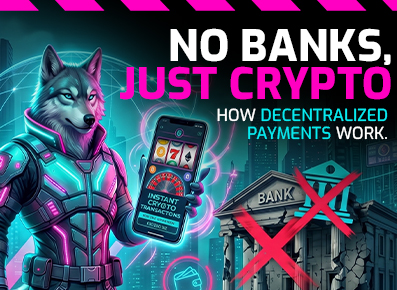
    Crypto casino withdrawals are fundamentally different because they operate without traditional financial intermediaries. Instead of routing payments through banks or card networks, payouts are sent directly from the casino’s wallet to the player’s wallet on the blockchain. This peer-to-peer structure removes approval bottlenecks and reduces dependency on third-party processors. As a result, crypto casino withdrawals are not limited by banking hours, geographic restrictions, or legacy compliance systems that slow down fiat transactions.

    How Crypto Withdrawals Work Step by Step

    When a player requests a withdrawal, the process is largely automated. The platform verifies that wagering requirements are met, generates a blockchain transaction, and broadcasts it to the network. Miners or validators then confirm the transaction according to the selected blockchain. Once confirmed, funds arrive directly in the player’s wallet. Because this system relies on predefined smart logic and blockchain validation, there is no need for human review in most cases, which significantly speeds up payouts.

    Benefits of Fast Crypto Withdrawals

    The most obvious advantage is speed, but fast withdrawals also improve transparency and trust. Players can track their transaction in real time on the blockchain, eliminating uncertainty
    about payment status. Faster payouts also reduce counterparty risk, as funds are not held for extended periods. Combined with instant crypto payouts, this creates a smoother and more reliable gaming experience, especially for high-frequency or high-volume players.

    What Can Still Cause Withdrawal Delays?

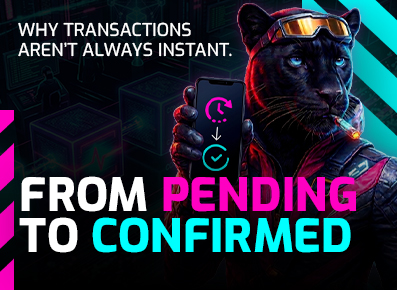
    While crypto withdrawals are faster, they are not always instant. Network congestion, high blockchain fees, or incorrect wallet addresses can cause delays. Some platforms may also apply temporary security checks for unusually large withdrawals. Choosing efficient networks, verifying wallet details carefully, and understanding withdrawal limits helps minimize these issues and ensures consistently fast withdrawals.

    FAQs

    How fast are crypto withdrawals?

    Most crypto casino withdrawals are processed within minutes, depending on the blockchain and network congestion.

    Are withdrawals automatic?

    Yes, in most cases withdrawals are automated and do not require manual approval.

    Are there withdrawal limits?

    Limits may exist depending on the platform, account level, or specific cryptocurrency used.

    Conclusion

    Crypto casinos offer faster withdrawals because they eliminate banks, automate payouts, and rely on transparent blockchain systems. This creates a more efficient and user-controlled
    payment experience compared to traditional online casinos. While network conditions can still affect timing, crypto casino withdrawals remain significantly faster overall. For players who value speed, transparency, and control over their funds, crypto casinos represent a clear evolution in online gaming payments.

  • How Crypto Transactions Work Step by Step

    How Crypto Transactions Work Step by Step

    Sending cryptocurrency may feel instant, but behind every click is a complex system working to ensure security, accuracy, and trust. Understanding how crypto transactions work helps users avoid common mistakes, manage expectations around speed and fees, and confidently interact with crypto platforms.

    In this guide, we break down the blockchain transaction process from start to finish. You will learn what happens after you press “send”, why confirmations are necessary, how miners and validators secure the network, and why a crypto transfer can sometimes appear stuck.

    What Is a Crypto Transaction?

    A crypto transaction is a digital transfer of value recorded on a blockchain. Instead of relying on banks, the transaction is validated by a decentralized network of computers.

    Each transaction includes the sender’s address, the recipient’s address, the amount being sent, and a cryptographic signature proving ownership. Once broadcast to the network, the transaction becomes part of the public blockchain ledger

    How Crypto Transactions Work Step by Step

    After clicking “send”, your wallet creates a transaction and signs it using your private key. This signature proves you own the funds without revealing your private key.

    The transaction is then broadcast to the network, where it enters a pool of unconfirmed transactions. Miners or validators select transactions from this pool and group them into blocks.

    Once included in a block and added to the blockchain, the transaction receives its first confirmation.

    Additional confirmations occur as new blocks are added on top, further securing the transaction and making it increasingly irreversible.

    Why Confirmations Exist

    Confirmations protect the network from double-spending and fraud. Each confirmation represents another block added after your transaction, making it more difficult to alter.

    Most platforms require a minimum number of confirmations before considering a transaction final. This ensures that funds are securely transferred and cannot be reversed by network
    manipulation.

    How Miners and Validators Secure Transactions

    On proof-of-work blockchains, miners compete to solve cryptographic puzzles that validate blocks. On proof-of-stake networks, validators are selected based on the amount of crypto they stake.

    Both systems serve the same purpose: ensuring transactions are legitimate and maintaining consensus across the network. Their incentives are aligned with honesty, as dishonest behavior is financially penalized.

    Why Transactions Sometimes Get Stuck

    Transactions can appear stuck when network congestion is high or when the transaction fee is set too low. Since miners and validators prioritize transactions with higher fees, low-fee transfers may remain unconfirmed longer.

    This does not mean the transaction is lost. It simply waits until the network processes it, or until the sender replaces it with a higher-fee version, if supported.

    FAQs

    How long do transactions take?

    It depends on the blockchain, network congestion, and transaction fees. Times can range from seconds to several minutes.

    Can crypto transactions be reversed?

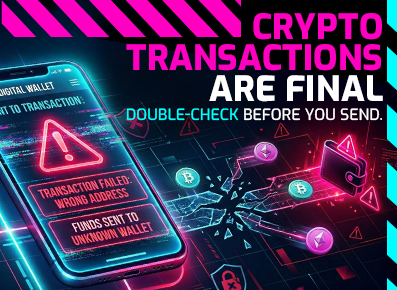
    No. Once confirmed on the blockchain, transactions are irreversible.

    What affects confirmation speed?

    Network traffic, block size, and the transaction fee all influence confirmation time.

    Conclusion

    Understanding how crypto transactions work removes uncertainty and empowers users to interact confidently with blockchain platforms. From the moment you click “send” to final
    confirmation, every step is designed to prioritize security, transparency, and decentralization.

    By knowing what affects speed, confirmations, and fees, users can make smarter decisions and avoid unnecessary frustration.

    Learn the mechanics behind crypto transfers and navigate blockchain transactions with confidence.

  • Hot Wallets vs Cold Wallets: Which One Should You Use?

    Hot Wallets vs Cold Wallets: Which One Should You Use?

    Choosing the right wallet is one of the most important decisions in crypto. Not all wallets serve the same purpose, and understanding the difference between a hot wallet vs cold wallet can significantly impact your security and usability. While some users prioritize speed and convenience, others focus on long-term protection and risk reduction.

    In this guide, we explain how hot and cold wallets work, when each option makes sense, and how common hacks usually happen. Whether you’re storing crypto for gaming, daily transactions, or long-term holding, this article will help you make an informed decision.

    What Is a Hot Wallet?

    A hot wallet is a crypto wallet connected to the internet. It is typically used for frequent transactions and quick access to funds. Examples include browser wallets, mobile wallets, and
    desktop wallets.

    Because hot wallets are always online, they offer high convenience. They are commonly used for crypto gaming, online payments, and regular transfers. However, constant connectivity also increases exposure to potential security threats, making hot wallet security a key consideration.

    What Is a Cold Wallet?

    A cold wallet stores crypto offline, with no direct internet connection. This form of cold storage crypto is commonly achieved using hardware wallets or even paper wallets.

    Cold wallets are designed for long-term storage and maximum security. Since private keys never touch an online device, the risk of remote hacking is significantly reduced. The trade-off is reduced convenience, as accessing funds requires additional steps.

    How Hot and Cold Wallets Compare in Practice

    Hot wallets excel in speed and accessibility. They are ideal for everyday use, such as playing on crypto casinos, sending quick payments, or interacting with Web3 platforms.

    Cold wallets prioritize protection over convenience. They are best suited for holding larger balances that do not need frequent movement. Many experienced users combine both options, keeping spending funds in hot wallets and savings in cold storage.

    Why Hacks Usually Happen

    Most crypto hacks do not target the blockchain itself. Instead, they exploit user-side weaknesses such as phishing attacks, malicious browser extensions, compromised devices, or leaked private keys.

    Hot wallets are more exposed to these risks because they interact constantly with online environments. Cold wallets reduce attack surfaces by keeping private keys offline, making them far less vulnerable to remote exploitation.

    FAQs

    What is a hot wallet?

    A hot wallet is an internet-connected wallet designed for frequent and convenient transactions.

    What is a cold wallet?

    A cold wallet is an offline storage solution that keeps private keys disconnected from the internet.

    Which wallet is safer long term?

    Cold wallets are generally safer for long-term storage due to reduced exposure to online threats.

    Conclusion

    The choice between a hot wallet and a cold wallet depends on how you use crypto. Hot wallets offer speed and convenience, making them ideal for daily activity and gaming. Cold wallets provide stronger protection, making them better suited for long-term storage.

    By understanding the strengths and limitations of each option, users can create a balanced setup that maximizes both usability and security. In many cases, using both together offers the best of both worlds.

    Choose the wallet strategy that fits your crypto usage and protect your assets with confidence.

  • Why Crypto Casinos Offer Faster Withdrawals

    Why Crypto Casinos Offer Faster Withdrawals

    The way players gamble online is changing rapidly. As cryptocurrencies become more widely adopted, many players are reconsidering whether traditional online casinos still meet their expectations. The comparison between crypto gambling vs online gambling highlights key differences in speed, privacy, costs, and overall control. 

    In this article, we examine how crypto gambling works compared to traditional online casinos, outline the main crypto casino benefits, and provide a clear online casino comparison to help players decide which option better suits their needs.

    What Defines Crypto Gambling vs Online Gambling

    Traditional online gambling platforms operate using fiat currencies and centralized payment systems. Deposits and withdrawals are processed through banks or payment providers, often involving multiple verification steps. Crypto gambling platforms use blockchain-based payments, allowing
    players to deposit and withdraw funds directly from their crypto wallets. This fundamental difference impacts everything from transaction speed to data privacy. 

    Faster Payouts and Fewer Delays 

    One of the biggest advantages of crypto gambling is payout speed. Traditional casinos rely on banking infrastructure that can delay withdrawals due to processing times, intermediary checks, or regional restrictions. 

    In contrast, crypto casinos process transactions on-chain. Withdrawals are often completed within minutes, regardless of location. This efficiency is one of the most cited reasons players migrate to crypto platforms.

    Privacy and Cost Differences That Matter

    Traditional online casinos usually require extensive personal information to comply with banking regulations. This includes identity verification and financial documentation.

    Crypto gambling offers a more privacy-focused experience. Players
    can often access platforms with minimal personal data while maintaining full control over their funds. Additionally, crypto transactions tend to involve lower fees compared to bank transfers or card payments, reducing friction for frequent players.

    Which Option Offers the Better Player Experience

    Crypto gambling provides greater transparency, faster transactions, and more control over funds. Traditional online gambling may appeal to players who prefer familiar payment methods or regulated fiat systems.

    For players prioritizing speed, privacy, and transparency, crypto casinos deliver a more modern gaming experience aligned with digital finance trends.

    FAQs 

    Is crypto gambling legal? 

    Legality depends on local regulations. Players should always check applicable laws in their jurisdiction. 

    Which has lower fees? 

    Crypto gambling typically involves lower transaction fees than bank-based gambling. 

    Which option offers more privacy? 

    Crypto gambling generally offers greater privacy due to reduced reliance on personal and banking information. 

    Conclusion 

    The comparison between crypto gambling vs online gambling reflects a broader shift in digital entertainment. Crypto casinos address many limitations of traditional platforms by offering faster payouts, increased privacy, and lower costs. While both options have their place, players seeking efficiency and control are increasingly turning to crypto-based solutions. 

    Explore crypto gambling on Rollchain and experience a faster, more transparent way to play.

  • What Is Provably Fair Gaming and Why It Matters

    What Is Provably Fair Gaming and Why It Matters

    For decades, online gambling relied on one simple assumption: trust the platform. Players had no way to independently confirm whether results were truly random or fairly generated.
    Provably fair gaming changed that paradigm completely. By combining cryptography and blockchain technology, it allows players to verify every outcome themselves.

    In this article, we explain how provably fair systems work, why they have become an industry standard in blockchain gaming, and what makes them superior to traditional fairness models.
    Understanding this concept is essential for anyone interested in fair crypto gambling without blind trust.

    What Is Provably Fair Gaming?

    Provably fair gaming is a system where game outcomes are generated using cryptographic algorithms that can be independently verified by players. Instead of relying on opaque random number generators, provably fair games use transparent mathematical processes.

    At the core of a provably fair algorithm are server seeds, client seeds, and cryptographic hashes. These elements ensure that outcomes are both unpredictable before a bet and verifiable afterward.

    How Provably Fair Systems Work

    Before gameplay begins, the casino generates a server seed and publishes its hashed version. This hash acts as a commitment that cannot be altered later. The player contributes a client seed, adding an extra layer of randomness.

    Each bet also includes a nonce, which ensures every result is unique. Once the server seed is revealed, players can recompute the outcome and confirm that it matches the original result.
    This process removes ambiguity and replaces trust with proof.

    Why Provably Fair Became an Industry Standard

    As crypto casinos grew, players demanded more transparency than traditional systems could offer. Provably fair gaming met that demand by providing verifiable fairness without relying on regulators or third-party audits.

    This approach aligns naturally with blockchain principles, making it a cornerstone of modern crypto gaming platforms. Over time, it became a defining feature separating reputable casinos from opaque ones.

    How Players Validate Every Bet

    Validating a bet involves reviewing the disclosed server seed, client seed, and nonce, then using a verification tool to reproduce the outcome. If the recalculated result matches what occurred in-game, the bet was fair.

    This ability to independently validate results empowers players and reinforces confidence in the platform’s integrity.

    FAQs

    What is a provably fair algorithm?

    A cryptographic system that allows players to verify that game outcomes were random and unaltered.

    Can provably fair be manipulated?

    No. Once the server seed hash is published, results cannot be changed without detection.

    Is provably fair better than RNG?

    Yes. Traditional RNG systems require trust, while provably fair systems provide verifiable proof.

    Conclusion

    Provably fair gaming represents a fundamental shift in how fairness is defined in online gambling. By removing the need for blind trust and empowering players with verification tools, it
    sets a new standard for transparency and accountability. As blockchain gaming continues to grow, provably fair systems will remain a key indicator of credibility and player-first design.

    Experience provably fair gaming on Rollchain and verify every bet yourself.

  • How Blockchain Ensures Fairness in Online Crypto Casinos

    How Blockchain Ensures Fairness in Online Crypto Casinos

    Fairness has always been one of the biggest concerns in online gambling. Players are often asked to trust systems they cannot see, controlled by operators they cannot verify. This is where blockchain technology changes the equation. Blockchain casino fairness introduces a new standard built on transparency, cryptography, and player verification.

    In this article, we explain how blockchain removes human control from game outcomes, why fairness can be independently verified, and how players can check results themselves.
    Understanding these principles is essential for anyone seeking genuine crypto casino trust in a digital gaming environment.

    What Fairness Means in a Blockchain Casino

    In a blockchain-based casino, fairness means that game outcomes are generated randomly, cannot be altered after the fact, and can be independently verified by players. This concept is often referred to as a provably fair casino system.

    Unlike traditional casinos, where fairness is enforced behind closed doors, blockchain casinos commit to transparency. Every outcome is tied to cryptographic proofs rather than trust in an operator or regulator.

    How Blockchain Removes Human Control

    Blockchain technology eliminates human interference through automated, cryptographic processes. Game results are generated using a combination of server seeds, player-controlled
    client seeds, and hashing algorithms. Once these elements are committed on-chain, outcomes cannot be changed.

    Because results are mathematically derived and recorded, operators cannot manipulate payouts, reroll results, or adjust odds mid-game. This separation between human decision-
    making and game logic is a core pillar of blockchain transparency.

    Why Fairness Is Verifiable On-Chain

    One of blockchain’s strongest advantages is verifiability. Every relevant component of a game result can be audited by the player. Hashes published before gameplay act as commitments, ensuring results were not altered afterward.

    Players can independently reconstruct outcomes using publicly available data. This level of transparency goes beyond traditional audits and creates a trust model based on mathematics rather than reputation.

    How Players Can Verify Results Themselves

    Verifying fairness in a crypto casino typically involves reviewing the server seed, client seed, and nonce associated with a bet. By running these inputs through a verification tool, players can confirm that the result matches the published hash.

    This process empowers players. Instead of relying on third-party assurances, they can personally confirm that each outcome was fair and unchanged.

    FAQs

    What does fairness mean in crypto casinos?

    Fairness means outcomes are random, immutable, and verifiable using cryptographic proofs.

    How can players verify game results?

    By checking server seeds, client seeds, and hashes through verification tools.

    Is blockchain fairness better than third-party audits?

    Yes. Blockchain allows players to verify results themselves rather than trusting external auditors.

    Conclusion

    Blockchain has redefined what fairness means in online gaming. By removing human control, increasing transparency, and enabling independent verification, crypto casinos offer a level of
    trust traditional platforms struggle to match. Blockchain casino fairness is not a promise; it is a system backed by cryptography and public verification.​
    For players who value transparency and control, blockchain-powered casinos represent a meaningful evolution in online gaming.

    Explore provably fair crypto gaming on Rollchain and verify every result yourself.

  • Playtime, Volatility & RTP: How to Choose the Perfect Slot on Rollchain

    Playtime, Volatility & RTP: How to Choose the Perfect Slot on Rollchain

    Choosing a slot game is not just about themes or visuals. On Rollchain, understanding how playtime, volatility, and RTP interact is key to finding the perfect slot for your personal playing style. These three factors directly influence how often you win, how long your balance lasts, and what kind of experience you can expect from each session.

    In this guide, you’ll learn how to evaluate slots beyond surface-level appeal. By understanding RTP percentages, volatility levels, and session length, you can confidently select the Perfect Slot that aligns with your goals, whether that’s steady play, short high-risk sessions, or balanced entertainment.

    What Makes a “Perfect Slot”?

    The perfect slot is not the same for every player. It depends on how much time you plan to play, how much risk you are comfortable with, and what type of wins you are aiming for.

    Some players prefer frequent, smaller payouts that extend playtime. Others enjoy high-risk slots where long dry spells are balanced by the chance of a major win. The key is matching slot
    mechanics to your expectations rather than chasing outcomes that don’t fit your style.

    How RTP and Volatility Shape Your Gameplay

    RTP (Return to Player) represents the theoretical percentage of wagers a slot returns to players over time. A higher RTP generally means more consistent returns across long sessions, although it does not guarantee short-term wins.

    Volatility, on the other hand, determines how payouts are distributed. Low-volatility slots pay smaller amounts more often, while high-volatility slots pay larger amounts less frequently.

    On Rollchain, combining RTP and volatility with your available playtime helps narrow down the perfect slot. Short sessions often pair better with lower volatility, while longer sessions can
    accommodate higher volatility without excessive bankroll pressure.

    Benefits of Choosing the Right Slot

    Selecting the right slot based on RTP and volatility offers several advantages. It helps control bankroll swings, reduces frustration, and improves overall enjoyment. Players who align their game choice with their session length tend to play more responsibly and feel more in control.

    Additionally, understanding these mechanics allows players to avoid unrealistic expectations and approach gameplay with a clearer strategy rather than pure chance.

    Practical Tips for Finding Your Perfect Slot

    Start by defining your session length and budget. If you plan short sessions, prioritize lower volatility and solid RTP values. Beginners should focus on simpler mechanics and moderate RTP games to learn comfortably. Experienced players with larger bankrolls may explore higher volatility slots, but only with a clear understanding of the risk involved.

    Reviewing game information panels before playing is one of the easiest ways to make informed decisions on Rollchain.

    FAQs

    How does RTP affect my gameplay?

    Higher RTP generally means more consistent returns over time, especially in longer sessions.

    Which volatility is best for short sessions?

    Low to medium volatility is usually better for shorter play sessions.

    How should beginners choose slots?

    Beginners should focus on simple slots with moderate RTP and low volatility.

    Do high-RTP games pay more often?

    They tend to offer better long-term returns, but short-term results still vary due to randomness.

    Conclusion

    There is no universal “best” slot, only the one that fits your style. By understanding playtime, volatility, and RTP, you can confidently choose the perfect slot on Rollchain for your goals and preferences. Instead of chasing outcomes, smart players focus on alignment: the right game, the right risk, and the right expectations.

    Explore Rollchain’s slot library and find the perfect slot that matches how you play.

  • Crypto Casinos vs Traditional Casinos: Why Players Are Migrating to CryptoGaming

    Crypto Casinos vs Traditional Casinos: Why Players Are Migrating to CryptoGaming

    The online gambling industry is undergoing a major shift. As digital currencies gain mainstream adoption, more players are questioning whether traditional casinos still meet modern expectations. The comparison between crypto casinos vs traditional casinos highlights a clear change in priorities: speed, transparency, and control now matter more than ever.

    In this article, we explore how crypto casinos are redefining the online gaming experience, why players are increasingly abandoning legacy platforms, and what advantages crypto-native casinos like Rollchain bring to the table. Understanding these differences helps explain why crypto gaming is no longer a niche trend but a growing standard.

    What Defines Crypto Casinos vs Traditional Casinos

    Traditional casinos, whether land-based or online, rely on centralized systems, fiat currencies, and third-party payment processors. Players must trust the operator to manage funds, generate fair results, and process withdrawals.

    Crypto casinos operate differently. They use blockchain-based payments, decentralized verification methods, and provably fair game mechanics. This shift reduces reliance on intermediaries and gives players greater transparency and autonomy.

    How Crypto Gaming Works Compared to Traditional Casinos

    In a traditional casino, deposits and withdrawals often pass through banks or payment gateways, which can introduce delays, fees, and regional restrictions. Game fairness is typically verified by external audits that players cannot directly access.

    Crypto casinos streamline this process. Players deposit cryptocurrency directly from their wallets, play instantly, and withdraw winnings on-chain. Outcomes are often provably fair, allowing players to verify results themselves rather than relying solely on trust.

    This technical difference fundamentally changes the player experience.

    Key Advantages Driving Player Migration

    Several factors explain why players are moving toward crypto gaming:

    Crypto casinos offer faster withdrawals, often processed within minutes instead of days. Transactions are more private, requiring less personal information. Provably fair systems increase trust by allowing result verification. Additionally, crypto platforms fequently provide more consistent reward systems, such as rakeback and on-chain bonuses, rather than one-time promotions.

    Together, these advantages create a more efficient and player-centric environment.

    What Rollchain Offers That Traditional Casinos Don’t

    Rollchain exemplifies the strengths of crypto gaming by combining blockchain transparency with modern casino design. Players benefit from wallet-based access, instant payments, verifiable fairness, and continuous rewards tied directly to activity.

    Unlike traditional casinos, Rollchain removes friction at every step, from onboarding to withdrawals, while maintaining full auditability through blockchain technology.

    FAQs

    Are crypto casinos safer?

    Crypto casinos can be safer due to blockchain security, transparent transactions, and provably fair systems.

    What does Rollchain offer that traditional casinos don’t?

    Instant crypto transactions, verifiable fairness, and player-controlled wallets.

    Are crypto withdrawals faster?

    Yes. Crypto withdrawals are typically processed much faster than bank-based withdrawals.

    Do winning odds differ?

    Winning odds are determined by game mechanics, but provably fair systems allow players to verify that outcomes are not manipulated.

    Conclusion

    The migration from traditional casinos to crypto gaming is driven by more than novelty. Players are choosing platforms that prioritize transparency, speed, and control. When comparing crypto casinos vs traditional casinos, the benefits of blockchain-based gaming become clear.​ As crypto adoption continues to grow, platforms like Rollchain are setting new standards for what players expect from the online gaming experience.

    Explore crypto gaming on Rollchain and see why so many players are making the switch.